
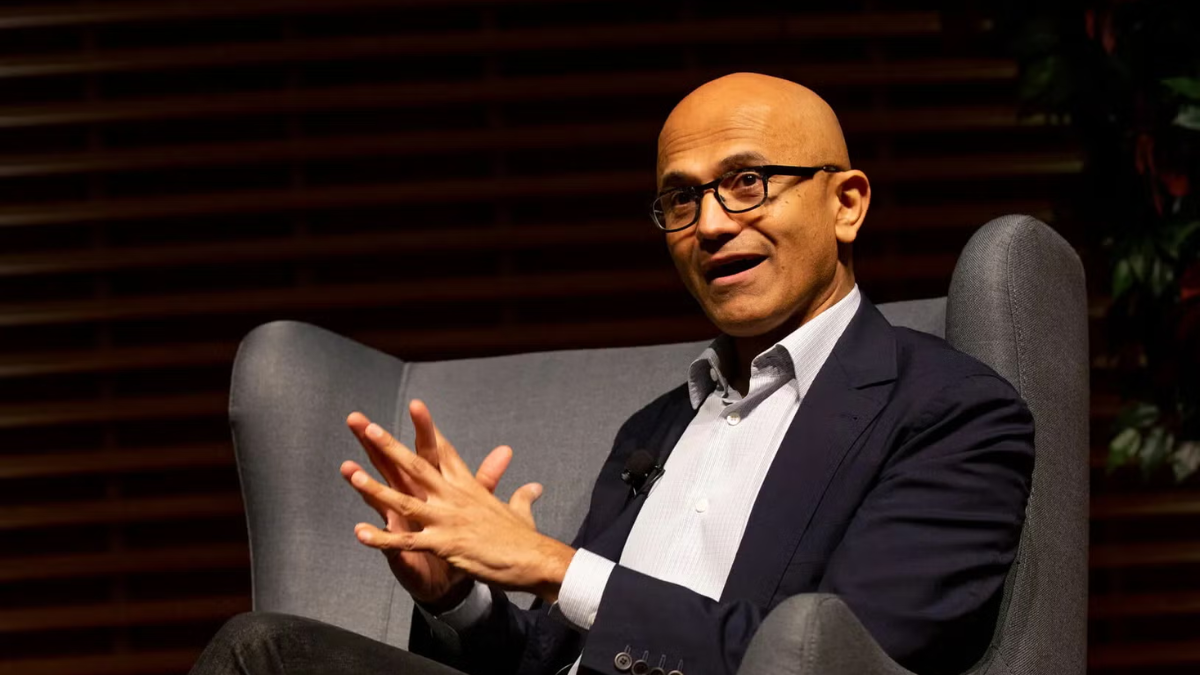
The Satya Nadella leadership style has become one of the most discussed examples of modern business leadership. Since becoming Microsoft’s CEO in 2014, Satya Satya Nadella Leadership Style Nadella has guided the company through a remarkable transformation by promoting innovation, collaboration, and a culture of continuous learning. Rather than relying on authority alone, he emphasizes empathy, trust, and a growth mindset to help employees perform at their best.
Business leaders, entrepreneurs, managers, and students often study his leadership approach because it demonstrates how a large global organization can successfully adapt to rapid technological change. His focus on people, customer needs, and long-term thinking has influenced leadership practices far beyond the technology industry.
This article explores the principles behind Satya Nadella’s leadership, the strategies he uses to inspire teams, and the practical lessons professionals can apply in their own careers.
Table of Contents
- Who Is Satya Nadella?
- Understanding the Satya Nadella Leadership Style
- Core Leadership Principles
- Growth Mindset Philosophy
- Building an Empathetic Workplace
- Innovation Through Collaboration
- Decision-Making Approach
- Comparison Table
- Leadership Lessons for Managers
- Common Criticisms
- Key Takeaways
- Conclusion
- FAQs
Who Is Satya Nadella?
Satya Nadella is an Indian-born business executive and the Chairman and Chief Executive Officer (CEO) of Microsoft. Before becoming CEO, he held several leadership positions within the company, particularly in Microsoft’s cloud and enterprise businesses.
Under his leadership, Microsoft expanded its focus on cloud computing, artificial intelligence, developer tools, and cross-platform collaboration. The company’s renewed emphasis on innovation and customer value has made Nadella one of the most respected leaders in global business.
Understanding the Satya Nadella Leadership Style
The Satya Nadella leadership style combines empathy, continuous learning, strategic thinking, and collaboration. Instead of creating a culture driven by internal competition, Nadella encourages employees to share knowledge, solve problems together, and remain open to new ideas.
His leadership reflects the belief that successful organizations learn faster than their competitors. Rather than rewarding people simply for being the smartest in the room, he values those who are willing to learn, adapt, and help others succeed.
This philosophy has helped Microsoft shift from a traditional software company into a broader technology platform focused on cloud services, artificial intelligence, cybersecurity, productivity tools, and enterprise solutions.
Core Leadership Principles
1. Leading With Empathy
One of Nadella’s defining leadership qualities is empathy. He has often spoken about understanding customers, employees, and partners before making important decisions.
Empathy allows leaders to build trust, improve communication, and create stronger workplace relationships. Employees who feel respected are often more motivated to contribute creative ideas and collaborate effectively.
Practical Example
A manager who listens carefully to employee concerns before implementing a new policy is more likely to gain support than one who simply announces changes without discussion.
2. Promoting a Growth Mindset
Satya Nadella strongly promotes the concept of a growth mindset, an idea developed by psychologist Carol Dweck. A growth mindset encourages people to believe that skills and abilities can improve through learning and effort.
Within Microsoft, this philosophy shifted the company away from a culture of “know-it-alls” toward becoming “learn-it-alls.” Employees are encouraged to ask questions, experiment with new ideas, and learn from mistakes rather than fear failure.
Why It Matters
Organizations that encourage learning often become more adaptable during periods of technological change. This mindset also supports innovation because employees are more willing to explore creative solutions.
3. Encouraging Collaboration
Nadella believes that great results come from teamwork rather than individual competition. He has encouraged different departments across Microsoft to work together instead of operating in isolation.
Collaboration helps organizations:
- Solve complex problems more effectively
- Share knowledge across teams
- Improve customer experiences
- Reduce duplicated work
- Build stronger workplace relationships
Modern businesses increasingly rely on cross-functional teams, making collaboration one of the most valuable leadership skills.
4. Customer-Centered Decision Making
Another important element of Nadella’s leadership is maintaining a strong focus on customer needs. Rather than developing products based only on internal preferences, Microsoft invests heavily in understanding how customers use technology.
Customer feedback influences product development, software improvements, and long-term business strategy. This approach helps the company remain competitive in a rapidly changing market.
5. Driving Innovation
Innovation is central to Nadella’s leadership philosophy. Instead of protecting existing business models, he encourages Microsoft to explore emerging technologies such as cloud computing, artificial intelligence, machine learning, and cybersecurity.
Innovation under his leadership includes:
- Expanding Microsoft Azure
- Investing in AI technologies
- Supporting open-source software
- Enhancing productivity platforms
- Strengthening enterprise cloud services
By embracing change rather than resisting it, Microsoft has remained relevant in an increasingly competitive technology industry.
Building an Empathetic Workplace
Creating an empathetic workplace goes beyond being kind. It involves understanding different perspectives, supporting employee well-being, and encouraging open communication.
Leaders who practice empathy often:
- Listen actively during conversations
- Encourage respectful feedback
- Recognize employee achievements
- Support professional development
- Foster inclusive workplaces
Empathy helps employees feel valued, which can strengthen engagement and teamwork.
Innovation Through Collaboration
One of the most recognizable characteristics of Satya Nadella’s leadership is his commitment to collaboration. Before becoming CEO, Microsoft was often viewed as a company where teams operated independently and sometimes competed with one another. Nadella worked to replace that mindset with one centered on cooperation and shared goals.
He encouraged employees from different departments to exchange ideas, solve problems together, and focus on delivering value to customers. This collaborative culture improved communication across teams and accelerated product development.
For example, Microsoft strengthened partnerships with companies and technologies that had previously been viewed as competitors. The company also expanded support for open-source software, demonstrating a more flexible and customer-focused approach.
Benefits of Collaborative Leadership
- Encourages innovation through diverse perspectives
- Improves communication between teams
- Reduces workplace conflict
- Speeds up problem-solving
- Creates a stronger sense of shared purpose
Decision-Making Style
Effective leaders know when to make quick decisions and when to gather more information. Satya Nadella balances data-driven analysis with human judgment.
Rather than making decisions based solely on hierarchy, he encourages leaders to consider customer feedback, employee insights, market trends, and long-term business goals.
His decision-making process typically includes:
- Understanding customer needs
- Reviewing available data
- Listening to expert opinions
- Considering long-term impact
- Remaining flexible when circumstances change
This balanced approach allows Microsoft to respond to changing technology trends while maintaining strategic direction.
Creating a Culture of Innovation
Innovation is not limited to developing new products. It also includes improving workplace processes, encouraging creativity, and supporting continuous learning.
Under Nadella’s leadership, Microsoft has invested in technologies such as:
- Artificial Intelligence (AI)
- Cloud Computing
- Cybersecurity
- Business Productivity Solutions
- Developer Platforms
- Machine Learning
Instead of fearing change, employees are encouraged to experiment responsibly and learn from both successes and setbacks.
Communication Style
Clear communication is another defining aspect of Satya Nadella’s leadership.
He communicates organizational goals in a way that employees at different levels can understand. Rather than relying on complicated business language, he emphasizes purpose, learning, and customer value.
Strong communication helps organizations:
- Build trust
- Reduce confusion
- Align teams with company objectives
- Increase employee engagement
- Support better decision-making
Leaders who communicate openly often create stronger workplace cultures.
Leadership Qualities That Set Satya Nadella Apart
Several qualities distinguish Nadella from many traditional corporate leaders.
Empathy
Understanding employees and customers before making decisions.
Humility
Accepting that leaders do not have every answer and remaining willing to learn.
Adaptability
Responding quickly to technological and market changes.
Vision
Looking beyond short-term results to build long-term value.
Accountability
Taking responsibility for organizational decisions and encouraging ownership across teams.
Satya Nadella Leadership Style vs. Traditional Leadership
| Leadership Area | Satya Nadella’s Approach | Traditional Command-and-Control |
|---|---|---|
| Leadership Style | Collaborative | Authoritative |
| Decision Making | Inclusive | Top-down |
| Employee Development | Continuous learning | Performance-focused |
| Innovation | Encouraged | Often risk-averse |
| Communication | Open and transparent | Limited information sharing |
| Workplace Culture | Growth mindset | Fixed mindset |
| Customer Focus | High priority | Product-first approach |
Leadership Lessons for Managers
Professionals at every career stage can learn valuable lessons from Satya Nadella’s approach.
Never Stop Learning
Industries change rapidly. Leaders who continue learning remain better prepared for future challenges.
Build Trust
Employees perform better when they trust their leaders. Transparency, honesty, and consistency strengthen workplace relationships.
Encourage Different Perspectives
Innovation often comes from diverse viewpoints. Inviting feedback improves decision-making.
Focus on Long-Term Success
Short-term gains should never compromise sustainable growth. Strong leaders balance immediate objectives with future opportunities.
Invest in People
Technology can improve productivity, but motivated employees remain one of every organization’s greatest strengths.
Challenges of This Leadership Style
Although Nadella’s leadership has been widely praised, collaborative leadership can present challenges.
Potential limitations include:
- Decision-making may take longer when many opinions are considered.
- Balancing innovation with operational stability requires careful planning.
- Encouraging experimentation must be supported by clear accountability.
- Large organizations may find cultural change difficult to implement.
Effective leaders address these challenges by maintaining clear priorities while encouraging collaboration.
Conclusion
The Satya Nadella leadership style has become a leading example of how empathy, innovation, and collaboration can drive lasting business success. By Satya Nadella leadership style growth mindset, listening to employees and customers, and embracing technological change, Nadella has helped Microsoft evolve into one of the world’s most influential technology companies. His leadership proves that successful organizations are built not only through strategic decisions but also through trust, continuous learning, and a shared Satya Nadella leadership style . Whether you are an entrepreneur, manager, student, or business professional, applying these leadership principles can help you build stronger teams, make better decisions, and create sustainable long-term growth.
1. What makes Satya Nadella’s leadership style different from other CEOs?
Satya Nadella’s leadership style stands out because it emphasizes empathy, collaboration, and continuous learning. Instead of relying on strict hierarchy, he encourages employees to innovate, share ideas, and focus on customer needs.
2. How has Satya Nadella’s leadership style influenced Microsoft’s success?
His leadership has helped Microsoft strengthen its cloud computing business, invest in artificial intelligence, improve workplace culture, and build strategic partnerships. These changes have supported the company’s long-term growth and innovation.
3. Can small business owners apply Satya Nadella’s leadership principles?
Yes. Small business owners can adopt his leadership principles by encouraging teamwork, listening to employee feedback, investing in skill development, and making customer-focused decisions that support sustainable business growth.
4. Why is empathy considered a key part of Satya Nadella’s leadership style?
Empathy helps leaders understand the needs of employees, customers, and partners. By creating a supportive and inclusive work environment, leaders can improve communication, increase trust, and inspire higher performance.
5. What are the biggest lessons professionals can learn from Satya Nadella?
Professionals can learn to embrace a growth mindset, adapt to change, collaborate effectively, prioritize customer value, and lead with integrity. These leadership qualities are valuable across industries and career levels.
