
In a market long dominated by giant national chains like AMC, Regal, and Cinemark, NCG Cinemas has carved out a distinct identity as a family-owned, community-focused alternative. Short for Neighborhood Cinema Group, NCG has spent decades building a NCG Cinemas reputation for clean, comfortable theaters, affordable pricing, and a strong sense of connection to the towns it serves. This article takes a detailed look at NCG Cinema’s history, business model, theater locations, amenities, and what sets it apart in the modern movie-going landscape.
The Origins of NCG Cinemas
NCG Cinemas traces its roots back to 1975 in Owosso, Michigan, a small city in Shiawassee County. At the time, Owosso had no multiplex movie theater. When the town’s old Capitol Theater (now known as the Lebowsky Center) closed its doors, local businessman Gary Geiger saw an opportunity. He built a multiplex theater in downtown Owosso, and that single theater became the foundation of what would eventually grow into a multi-state cinema chain.
The company operated for years under the name Owosso Cinemas before rebranding as Neighborhood Cinema Group in the early 1990s, and later shortening its public-facing name to simply “NCG Cinemas.” Throughout its expansion, the business has remained privately owned and operated by the Geiger family, with Jeff Geiger currently serving as president and CEO, alongside Mark Henning as Chief Operating Officer.
Growth and Expansion
Following the success of the original Owosso location, NCG began expanding into nearby markets. In 1987, the company entered the Flint, Michigan market by acquiring the Clio Cinemas, a theater that had originally been built in 1974. This acquisition marked the beginning of a broader strategy: rather than only building new theaters from scratch, NCG grew partly by purchasing and upgrading existing cinemas in underserved or overlooked markets.
Over the following decades, NCG steadily expanded its footprint beyond Michigan. Today, the chain operates in multiple states across the United States, including:
- Michigan (the company’s home base, with the largest concentration of theaters, particularly in the Flint/Tri-Cities region and Greater Lansing area)
- Georgia
- Florida
- Illinois
- Indiana
- North Carolina
- South Carolina
- Tennessee
As of recent counts, NCG operates roughly 25 theaters with around 147 screens nationwide, making it a mid-sized regional chain rather than a national giant — a scale that has arguably allowed it to maintain closer ties to individual communities than its larger competitors.
Business Philosophy: The “Neighborhood” Approach
The name Neighborhood Cinema Group is not just branding — it reflects the company’s core philosophy. Unlike massive multiplex chains that often feel interchangeable from city to city, NCG has positioned itself as a community-oriented business. Theaters are typically located in small to mid-sized cities and suburbs rather than major metropolitan downtown cores, allowing the company to serve as a hometown entertainment hub rather than one option among many in a crowded urban market.
This approach shapes several aspects of how NCG operates:
- Affordability: NCG has built a reputation for offering more budget-friendly ticket prices compared to major national chains, making moviegoing accessible for families.
- Customer service culture: With a smaller, family-run corporate structure, NCG emphasizes personalized guest service and a welcoming, hospitable in-theater experience.
- Community integration: Many NCG locations are closely tied to local events, school partnerships, and community programming, reinforcing the “neighborhood” identity.
Theater Locations and Notable Markets
NCG’s theater locations span a wide geographic footprint. Some notable examples include:
- NCG Owosso Cinemas (Michigan) – the company’s founding location and long-time headquarters.
- NCG Trillium Cinema (Grand Blanc, Michigan) – a location that has seen recent investment in luxury recliner seating upgrades.
- NCG Lansing, NCG Alma Cinemas, NCG Coldwater Cinema, NCG Greenville Cinemas, NCG Lapeer Cinemas, NCG Midland Cinema – additional Michigan locations reflecting the chain’s deep roots in the state.
- NCG Marietta Cinemas and NCG Peachtree City Cinemas (Georgia) – part of a broader Georgia presence including Acworth, Atlanta, Brookhaven, Peachtree Corners, Savannah, Snellville, and Stone Mountain.
- NCG Palm Bay Cinema and NCG Citrus Park (Florida) – serving the Palm Bay and Tampa markets respectively.
- NCG Alton and NCG Yorkville Cinemas (Illinois).
Each location typically offers standard auditoriums alongside premium formats in select theaters, such as IMAX screens, depending on the size and demand of the local market.
Amenities and In-Theater Experience
A key part of NCG’s appeal lies in its guest experience. Common features across NCG locations include:
- Clean, well-maintained auditoriums — frequently highlighted in customer reviews as a standout feature compared to competitors.
- Bottomless refills on select concession items, a popular perk with families and repeat customers.
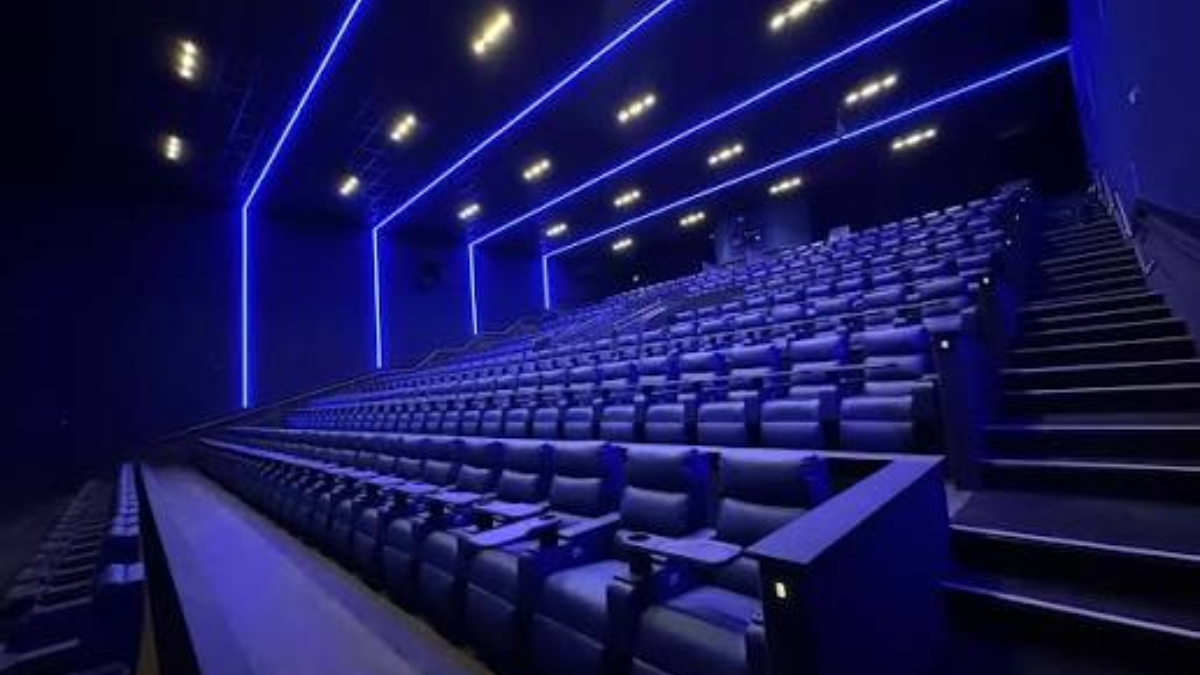
- Luxury recliner seating — an amenity NCG has been progressively rolling out across multiple locations, including a notable upgrade announced for its Grand Blanc, Michigan theater, where all auditoriums received new recliner seating.
- Rewards and loyalty programs, along with newsletter subscriptions that keep customers informed about special screenings, promotions, and rewards.
- Special event programming, including limited theatrical re-releases of classic and culturally significant films. For example, NCG has hosted the 4K remastered theatrical return of The Passion of the Christ, paired with behind-the-scenes previews of its sequel.
How NCG Compares to Major Chains
Compared to industry giants like AMC Theatres, Regal Cinemas, and Cinemark, NCG occupies a different niche:
| Factor | NCG Cinemas | Major National Chains |
|---|---|---|
| Ownership | Privately, family-owned | Often publicly traded or PE-backed |
| Footprint | Regional (8 states) | National/international |
| Market focus | Small/mid-size towns and suburbs | Major metro areas and malls |
| Pricing | Generally lower | Often higher, especially for premium formats |
| Brand identity | Community-first, “neighborhood” feel | Standardized, uniform branding |
This positioning has allowed NCG to avoid direct head-to-head competition with the largest chains in major cities, instead thriving in markets where a large multiplex chain might not otherwise establish a strong presence.
Recent Developments
NCG has continued to invest in and reshape its theater portfolio in recent years. Notable developments include:
- Seating upgrades: The rollout of luxury recliner seating at locations such as the Grand Blanc, Michigan theater signals an ongoing effort to modernize the in-theater experience and compete with premium offerings from larger chains.
- Theater closures: Like much of the movie theater industry, NCG has also had to make difficult decisions about underperforming locations. The company confirmed the closure of its Spartanburg, South Carolina theater, thanking the local community and staff for their years of support.
- Special programming and re-releases: NCG continues to draw audiences with limited engagement re-releases of major films, appealing to both nostalgia and demand for big-screen experiences of significant titles.
Why NCG Cinemas Matters
In an era where streaming services have reshaped how people consume film and where large multiplex chains have faced financial pressure and even bankruptcy restructuring, regional chains like NCG occupy an interesting position. Their smaller scale allows for more flexible decision-making, closer community ties, and a business model that doesn’t rely purely on blockbuster ticket sales in major urban centers.
For moviegoers in the smaller cities and suburbs NCG serves, the chain often represents the only local option for a modern theater experience — making its role in these communities more significant than its overall size within the national industry might suggest.
Conclusion
NCG Cinemas — the Neighborhood Cinema Group — has grown from a single multiplex in Owosso, Michigan, into a respected regional theater chain spanning eight U.S. states. Its continued family ownership, community-first branding, affordable pricing, and steady investment in guest experience upgrades like luxury recliner seating have helped it maintain a loyal customer base even as the broader theatrical exhibition industry NCG Cinema faces ongoing challenges from streaming competition and shifting viewing habits. Whether through its long-running local theaters or newer market entries, NCG’s story remains one of steady, community-rooted growth rather than rapid, large-scale expansion — a strategy that has clearly worked in its favor for nearly five decades.
FAQs — NCG Cinemas
1. Who owns NCG Cinemas?
NCG Cinemas is a privately held, family-owned business owned and operated by the Geiger family, with Jeff Geiger serving as president and CEO.
2. In which states does NCG Cinemas operate?
NCG operates theaters across eight U.S. states: Michigan, Georgia, Florida, Illinois, Indiana, North Carolina, South Carolina, and Tennessee.
3. How many theaters and screens does NCG have?
NCG currently operates around 25 theaters with approximately 147 screens, making it a mid-sized regional chain.
4. What makes NCG Cinemas different from AMC or Regal?
NCG focuses on small to mid-sized towns and suburbs rather than major metro areas, offers generally lower ticket prices, and emphasizes a community-first, “neighborhood” experience over standardized national branding.
5. Does NCG Cinemas offer premium seating or formats?
Yes — many NCG locations have rolled out luxury recliner seating (such as at its Grand Blanc, Michigan theater), and select theaters also offer IMAX screens.
