
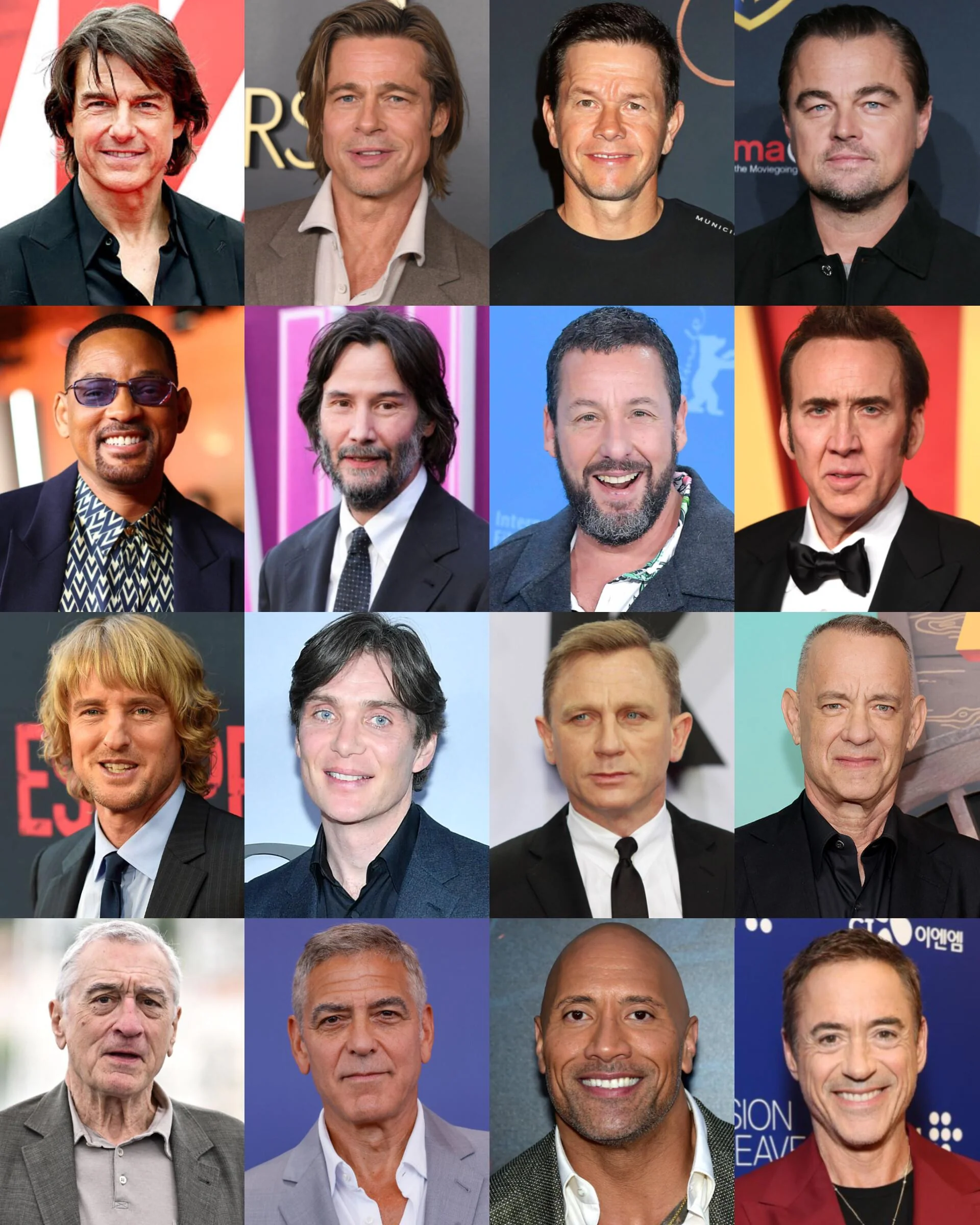
Celebrities have always attracted public attention. Whether they are actors, musicians, athletes, television personalities, creators, or other well-known public figures, celebrities often become part of everyday conversations. People follow their careers, watch their interviews, discuss their achievements, and become curious about the lives behind their public image.
The word “celebrities” covers a surprisingly wide range of people. Some become famous because of major films or television shows, while others build large audiences through music, sports, social media, business, or entertainment. Fame can develop slowly over many years, or it can happen very quickly when a particular performance, project, or online moment receives widespread attention.
Modern celebrity culture is also different from what it was in the past. Social media has made it possible for public figures to communicate directly with audiences. At the same time, fans can discover new personalities without relying entirely on traditional newspapers, magazines, television programs, or entertainment networks.
What Does the Term Celebrities Mean?
The term celebrities generally refers to people who have achieved a significant level of public recognition. Their fame may come from entertainment, sports, media, business, online content, or another area that attracts substantial public interest. Being famous does not necessarily mean that someone works as an actor or singer.
For example, an athlete can become a celebrity because of outstanding performances and major competitions. A musician may gain recognition through successful songs and tours. Similarly, an internet creator can become widely known by consistently producing videos, podcasts, or other digital content.
Celebrity status can also change over time. Some people remain famous for decades because of long careers and memorable work. Others become popular for a short period before public attention moves elsewhere. This changing nature of fame is one of the most interesting parts of celebrity culture.
How Do People Become Celebrities?
There is no single path to becoming a celebrity. Traditional entertainment industries remain important, particularly for actors, musicians, television personalities, and performers. A successful movie, television series, album, sporting season, or major professional achievement can introduce someone to millions of people.
Social media has created another route to fame. Platforms such as Instagram, YouTube, TikTok, and other digital services allow individuals to publish content without first receiving approval from a traditional media company. A creator with a distinctive personality or useful content can gradually develop a large audience.
Timing can also play a role. Sometimes a particular interview, performance, competition, or online post receives unusual attention. That moment can introduce a person to audiences who had never heard of them before. However, maintaining long-term recognition usually requires continued work, public engagement, or achievements.
Different Types of Celebrities
Actors and television personalities are among the most recognizable celebrities. Their performances can make fictional characters memorable and create strong connections with audiences. Some actors become associated with particular roles, while others build reputations by appearing in many different types of productions.
Musicians and singers represent another major group. Successful songs, albums, concerts, and collaborations can help artists develop international audiences. Music also travels easily across borders, allowing performers to gain recognition in countries where they may not regularly appear in person.
Athletes can become celebrities through professional achievements and major competitions. Fans often follow their careers closely, including their performances, teams, records, and professional milestones. In addition, some athletes become public figures through endorsements, interviews, charitable work, or business activities.
Celebrities and Social Media
Social media has changed the relationship between celebrities and their audiences. In earlier decades, fans usually depended on interviews, magazines, television programs, and entertainment websites to learn about famous people. Today, a celebrity can publish a message or photograph and reach followers directly.
This direct communication can make celebrities seem more accessible. A short video showing daily routines, preparation for an event, or behind-the-scenes work can give followers a different perspective. However, social media content is still a public presentation, so it does not necessarily show every part of someone’s private life.
Social platforms also create opportunities for celebrities to control more of their public communication. They can announce projects, respond to major events, promote businesses, and share professional updates without waiting for traditional media coverage. At the same time, constant online visibility can create pressure to remain active and relevant.
Why Are People Interested in Celebrity Lives?
Curiosity is one major reason people follow celebrities. Famous individuals often live or work in environments that seem different from ordinary daily life. Their careers may involve international travel, major events, expensive productions, competitions, and interactions with other well-known people.
Entertainment is another important factor. Fans naturally want to know more about performers whose work they enjoy. Someone who loves a particular movie may become interested in the actor who played a favorite character. A music fan may follow an artist because of their songs and performances.
Celebrities can also influence popular culture. Their clothing choices, interviews, projects, public appearances, and professional decisions may become topics of discussion. However, interest in a celebrity does not mean that every detail of that person’s private life is public property.
The Difference Between Public and Private Life
One of the most important aspects of celebrity culture is the boundary between public and private life. Celebrities often choose to share certain information about themselves because it supports their professional image or helps them communicate with fans.
At the same time, being famous does not remove a person’s need for privacy. Family relationships, private conversations, personal addresses, and other sensitive details should not automatically be treated as entertainment simply because someone is well known.
Responsible celebrity coverage focuses on information that is relevant, publicly documented, and appropriate to discuss. Readers can enjoy interviews, career stories, professional achievements, and public appearances without expecting access to every aspect of a celebrity’s personal life.
How Celebrity Culture Influences Fashion and Lifestyle
Celebrities have a noticeable presence in fashion and popular lifestyle trends. Red-carpet appearances, award ceremonies, music events, and public appearances often generate conversations about clothing, hairstyles, accessories, and personal style.
Fashion brands may collaborate with famous personalities because celebrity visibility can introduce products to large audiences. A particular outfit or style can receive significant attention after appearing at a major event or on a widely followed social media account.
The influence can work in both directions. Celebrities may introduce audiences to new styles, while changing public preferences can also influence what celebrities wear and promote. Social media has made this relationship even faster because trends can spread globally within a short period.
The Business Side of Celebrity Fame
Celebrity status can create opportunities far beyond entertainment. A successful public figure may work with brands, launch products, publish books, develop businesses, appear in advertising campaigns, or participate in other commercial projects.
These opportunities can become an important part of a modern celebrity’s professional identity. However, commercial partnerships also require careful consideration. Audiences increasingly pay attention to whether promotional content appears genuine and whether products match a celebrity’s established public image.
A celebrity’s name can also become a valuable brand. Companies may associate themselves with public figures because recognition can help attract attention. The business relationship works best when the partnership is clearly communicated and the promoted product or service is accurately represented.
The Challenges of Being Famous
Fame can bring professional opportunities, but it can also create difficult challenges. Celebrities may face constant public attention, criticism, rumors, and pressure to maintain a particular image. A small mistake can sometimes receive much more attention when millions of people are watching.
The speed of social media can make these challenges more complicated. Information can spread before it has been properly verified. A photograph, comment, or short video may be taken out of context and discussed widely within a short period.
Public figures therefore need to manage their communication carefully. Many celebrities work with publicists, managers, lawyers, and other professionals who help them navigate media attention and professional responsibilities.
Celebrities and Fans
Fans are an important part of celebrity culture. They watch movies, listen to music, attend sporting events, purchase products, follow social accounts, and support professional projects. Strong fan communities can help celebrities maintain long-term careers.
Modern technology has also changed fan communities. People from different countries can discuss the same actor, musician, athlete, or creator through online forums and social platforms. This allows communities to form around shared interests even when members have never met.
Healthy fandom, however, includes boundaries. Supporting a celebrity can be enjoyable, but fans should distinguish between publicly available information and private details. Respecting those boundaries helps create a healthier relationship between public figures and their audiences.
How Celebrity Trends Change Over Time
Celebrity culture constantly evolves. The biggest stars of one generation may not receive the same level of attention from younger audiences. New entertainment platforms, changing technology, and shifting cultural interests can introduce completely different personalities to the public.
Traditional media still contributes to celebrity recognition, but digital platforms now play a major role. Someone can build a substantial following through online content before appearing in mainstream entertainment.
This constant change means that celebrity fame is rarely static. Careers can experience periods of rapid growth, decline, reinvention, or renewed attention. A person who was famous for one type of work may later become known for something completely different.
How to Follow Celebrity News Responsibly
People who enjoy celebrity news should pay attention to the quality of their sources. Entertainment stories can spread quickly, especially when headlines are designed to attract clicks. A dramatic headline does not always provide enough evidence for the claims it suggests.
Official interviews, verified social accounts, reputable publications, and direct statements can provide stronger information than anonymous posts or unsupported rumors. Readers should also consider whether a story clearly separates confirmed information from speculation.
Responsible coverage benefits both audiences and celebrities. It allows people to stay informed about careers, projects, achievements, and public events without unnecessarily spreading private or unverified information.
The Future of Celebrity Culture
The future of celebrity culture will likely continue to be shaped by technology. New social platforms, streaming services, digital communities, and emerging forms of entertainment can create new ways for people to become famous.
Audiences are also becoming more accustomed to direct communication. Instead of waiting for traditional interviews, people can follow public figures through their own channels and receive updates almost immediately.
At the same time, the basic reason people become interested in celebrities is unlikely to disappear. People enjoy stories about talent, achievement, creativity, competition, entertainment, and personal journeys. Technology may change how fame works, but public fascination with notable personalities is likely to remain part of popular culture.
Conclusion
Celebrities play a significant role in modern entertainment and popular culture. They can influence fashion, music, sports, business, social media, and everyday conversations. Their careers may follow very different paths, from traditional entertainment to digital content and professional sports.
